

Capture and air filtration
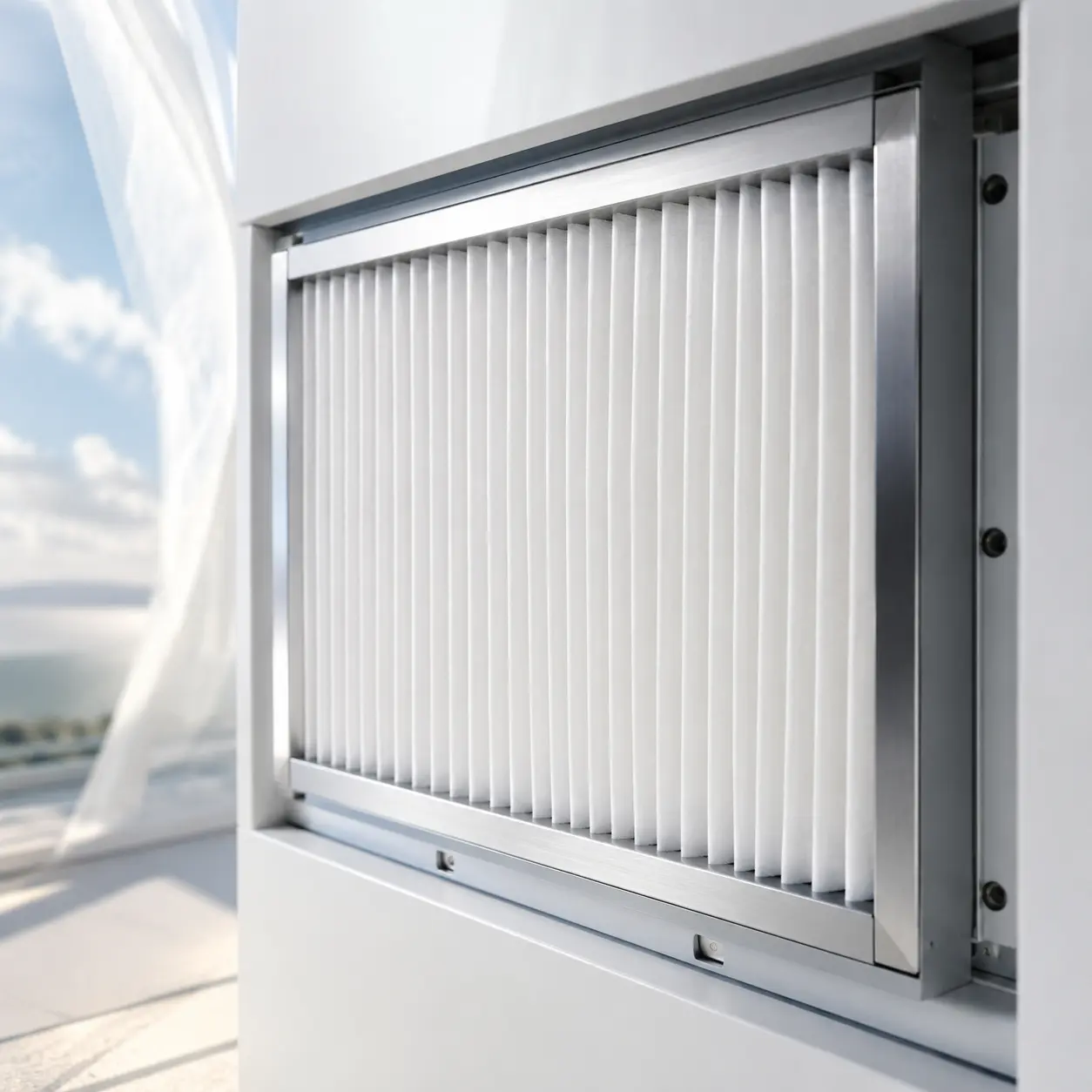
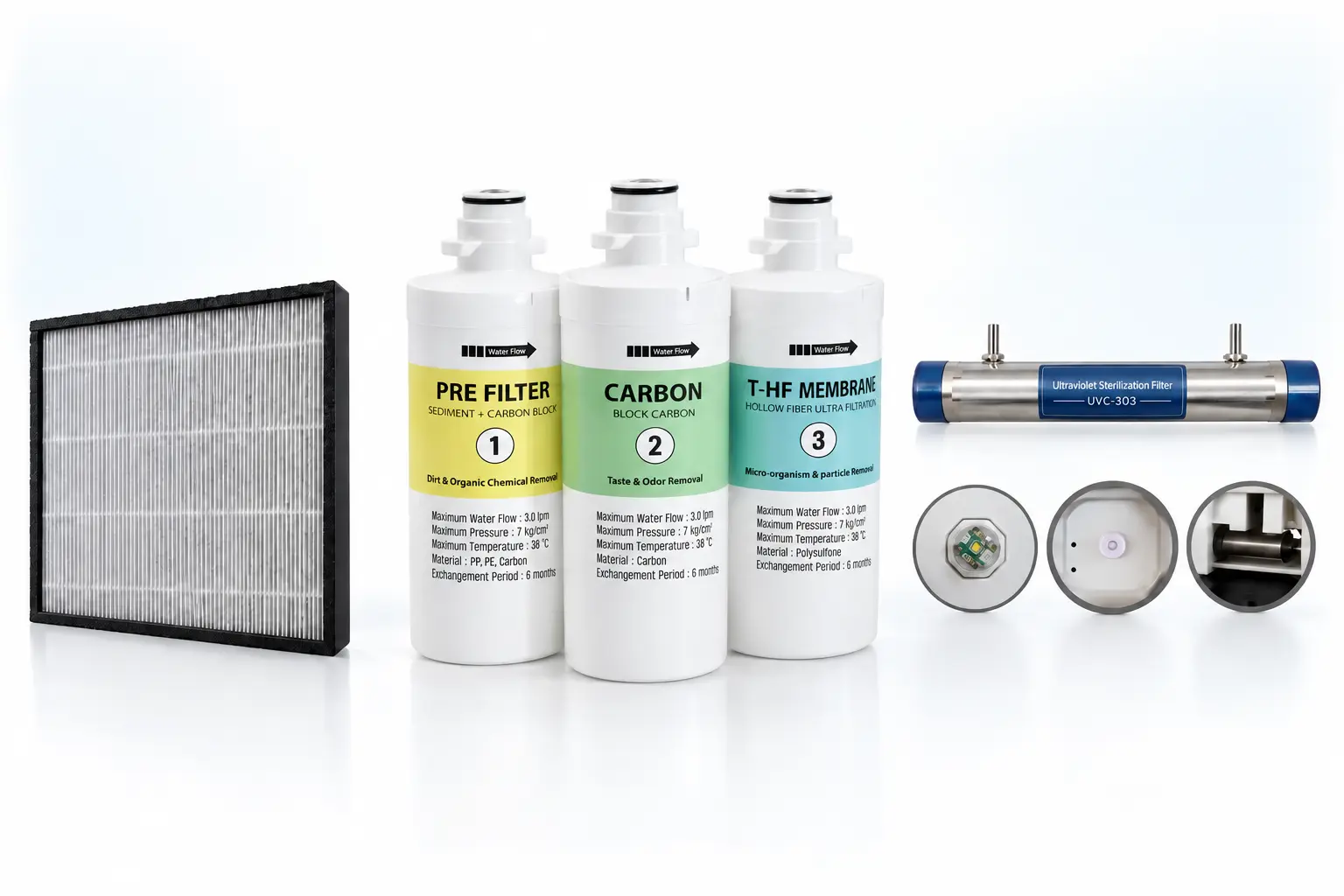
Ambient air enters through a filtered intake. Product documentation specifies an E11 Grade HEPA Filter to help remove dust, pollen and airborne particles before condensation.
How it works
Atmospheric Water Generation recreates the natural water cycle inside a controlled, proven system. Air is drawn in, moisture is condensed into water, and the collected water is then treated and protected before use.
Atmospheric Water Generation (AWG)
Atmospheric water generation captures moisture from the surrounding air and turns it into liquid water. The collected water then passes through filtration and UV treatment before dispensing or distribution.
Humid ambient air
Ambient air is drawn into the system through a filtered intake. Product documentation specifies an E11 Grade HEPA Filter to help remove dust, pollen and airborne particles before condensation.
Water vapor becomes liquid
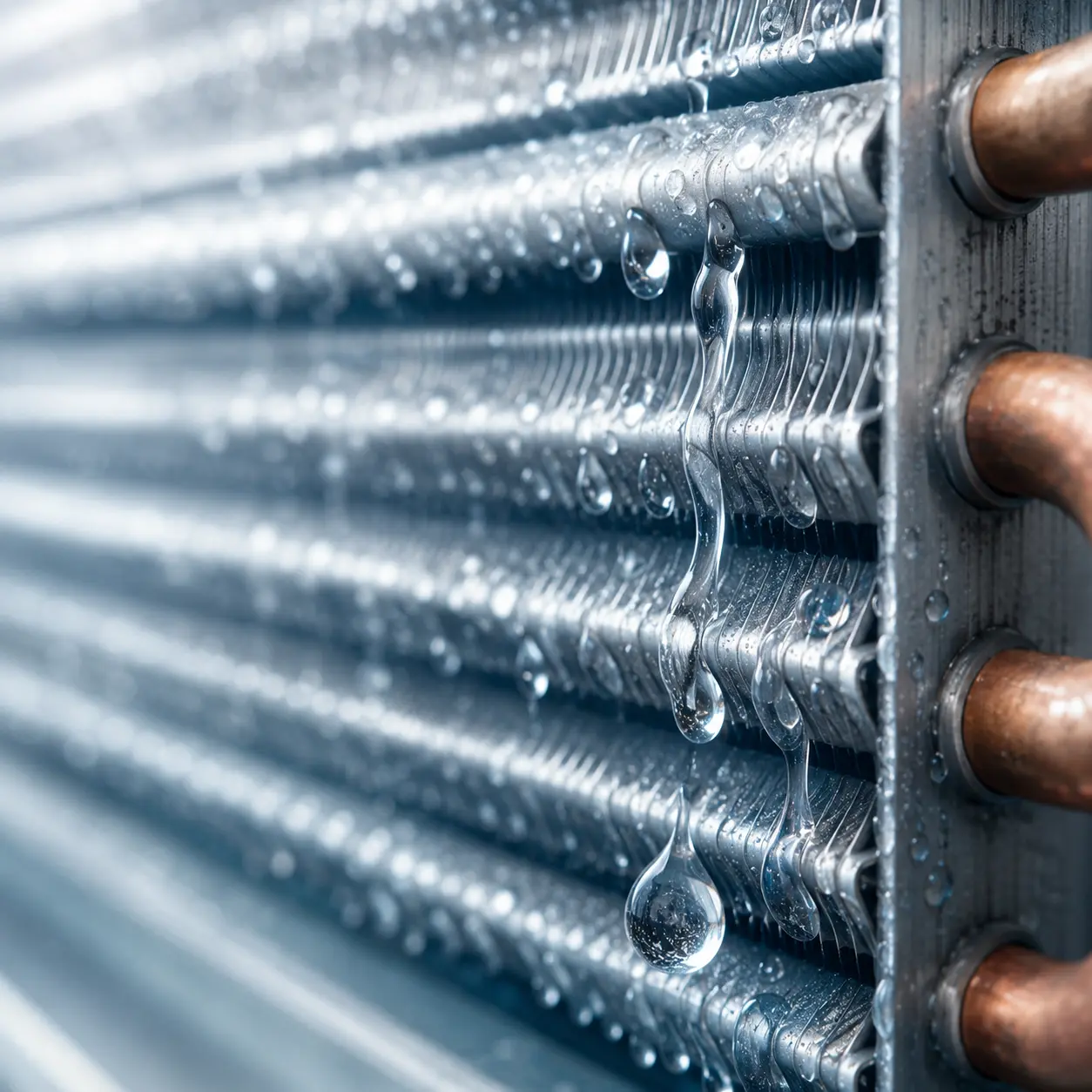
The cooling system lowers the air temperature below its dew point. Water vapor condenses on the cooled heat-exchange surface, forming droplets of liquid water.
Condensed water is collected
Droplets are gathered in the system’s collection vessel and directed onward for water treatment. Collection is one stage of the process; the water still passes through filtration and UV protection.
Water treatment and protection
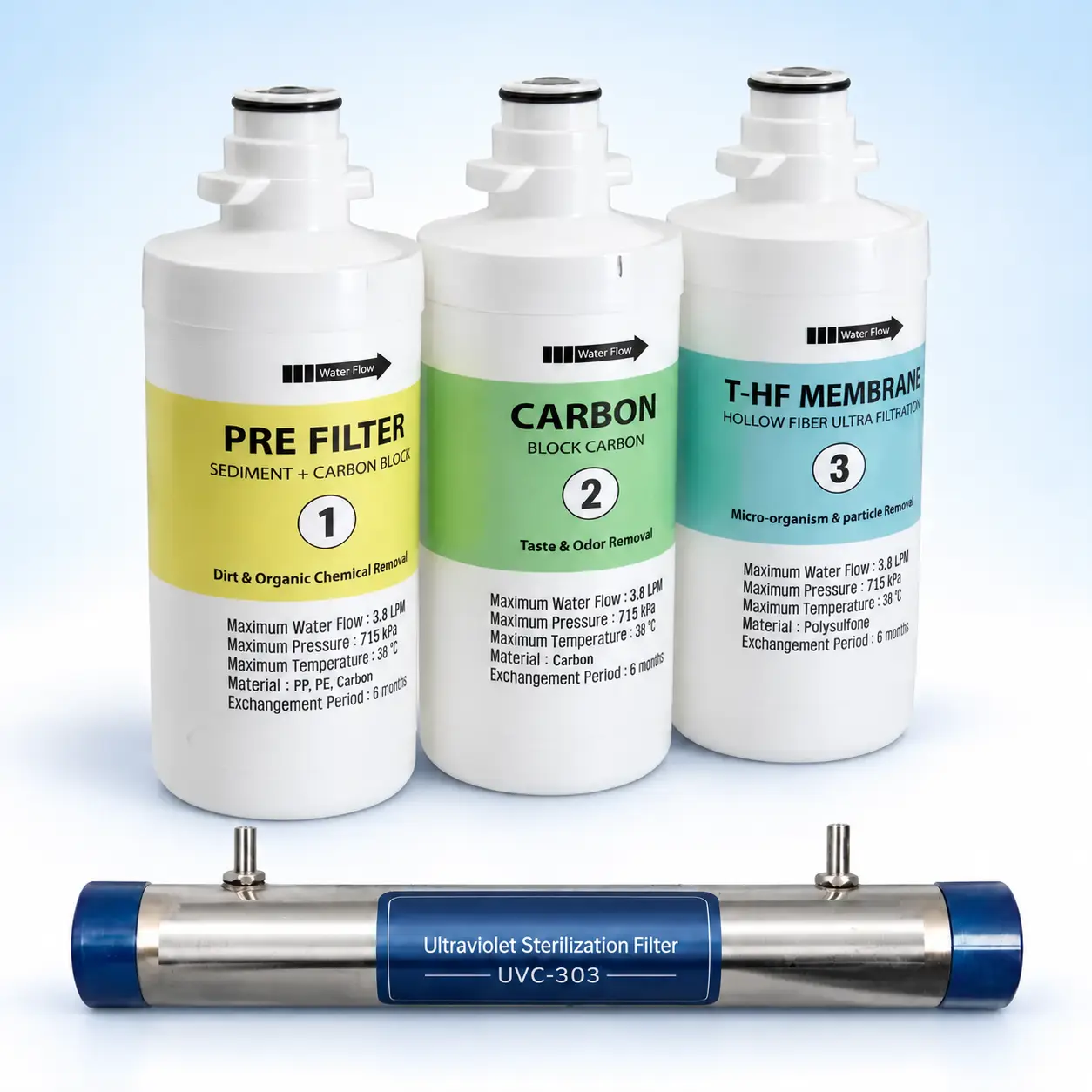
Collected water passes through three-stage filtration using sediment filtration, activated carbon and ultrafiltration. UV systems provide additional protection during collection, storage and circulation.
Ready for use
After treatment, water is stored for dispensing or distribution. The compact system dispenses water at the point of use, while commercial installations can support an approved storage and distribution arrangement.
Ambient air enters through a filtered intake. Product documentation specifies an E11 Grade HEPA Filter to help remove dust, pollen and airborne particles before condensation.
The filtered air passes across a heat-exchange system and is cooled. As the air temperature falls, its ability to retain water vapour decreases.
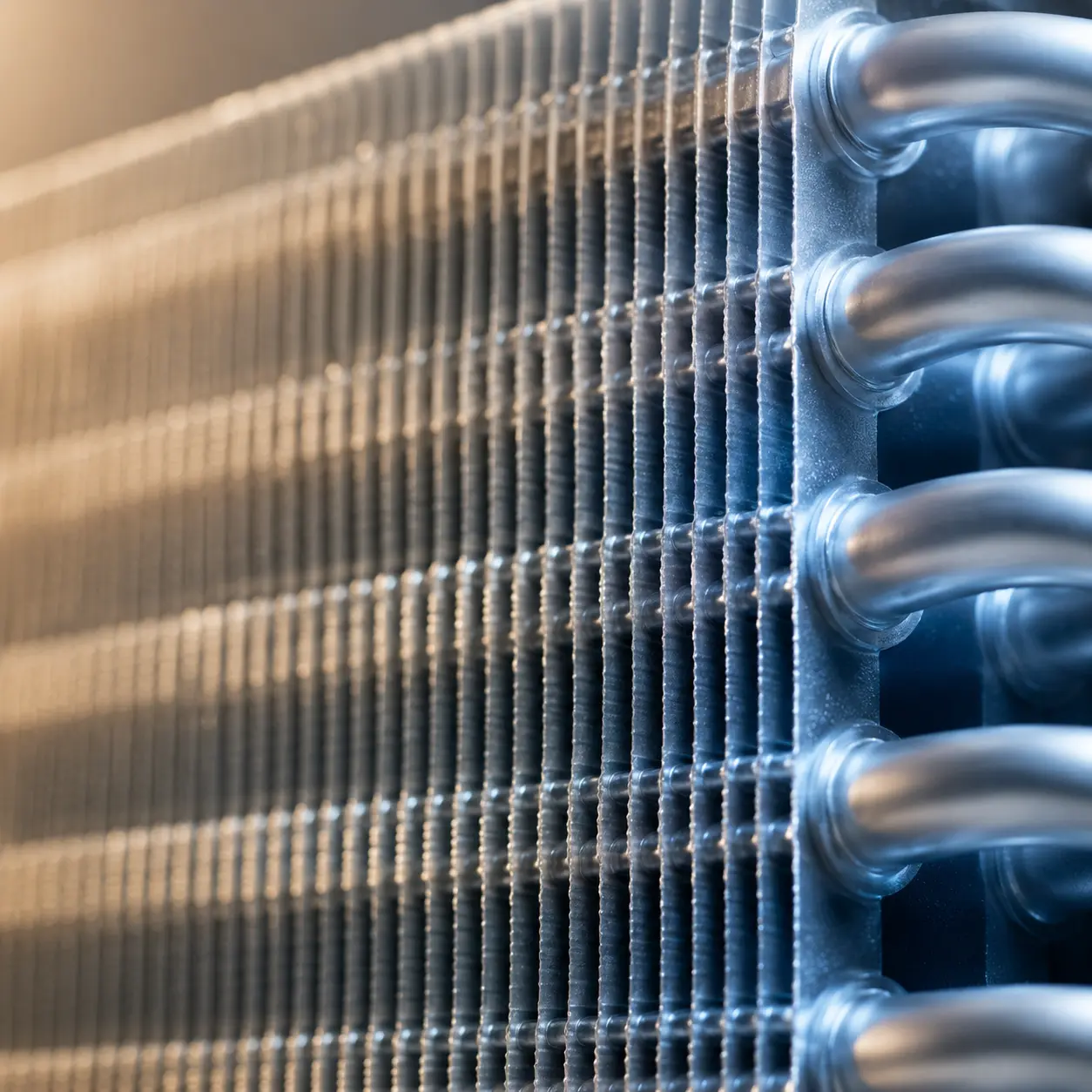
Moisture in the air changes from invisible vapour into liquid water. The collected water is directed into the system for treatment and storage.
The water passes through multi-stage sediment, activated-carbon and ultrafiltration treatment. UV lamp and UV LED systems are designed to help protect water during collection, storage and circulation.
Climate
Atmospheric water output is naturally linked to climate. According to the supplied AW International materials, the systems are designed to begin producing at approximately 35% relative humidity. Warmer air and higher humidity generally allow greater daily production because more water vapour is available to condense.
Published output figures for both systems are based on 30°C and 80% relative humidity. Actual production in any location will vary and should be evaluated against local conditions.

Protection
Point of use
AW International systems generate water at the point of use. This can reduce dependence on wells, incoming water lines, bottled-water delivery and long-distance distribution. The result is a flexible water source that can be considered for individual properties, commercial sites, institutions, developments and remote locations.
Documentation
Water, electrical and product-compliance requirements differ by country and application. AW International and its authorised partners will provide the applicable product documentation, test information and installation requirements during the commercial and technical review process.